

















Resources

Compounding Pharmacy HVAC Design
Compounding pharmacies operate under some of the most rigorous environmental control requirements in the healthcare industry. Unlike traditional pharmacies, these facilities prepare customized medications, often involving sterile injectable products or hazardous drugs...

Desiccant Dehumidification in Food Processing
Food processing requires an extremely clean environment, which requires thousands of gallons of water daily for cleaning, but is essential to ensure product quality, safety and regulatory compliance. And one of the most critical environmental parameters is humidity...

HVAC Accuracy Statements 101
When selecting an instrument for an HVAC application, whether it be a differential pressure transmitter, flow transmitter, temperature sensor, etc., it is important to choose the appropriate level of accuracy. To do this, one must understand that accuracy statements...

HVAC Humidification 101
There are many ways to humidify in today's market. This paper describes the primary methodologies and provides guidance on choosing the most appropriate methodology for a given application. Isothermal vs. Adiabatic HVAC Humidification The goal of any humidification...

Laboratory Exhaust Energy Conservation
Laboratories are significant energy users as compared to other facilities. The energy required to condition 100% outside air (OA) and exhaust it from a lab facility are driving factors. To this end, it is important to keep the airflow requirements as low as possible...

Multifamily Energy Billing Solutions
With the rising costs of energy and the push to be more energy-responsible, it has become even more important to provide accurate and repeatable BTU measurements for true energy consumption and billing purposes. Two markets that have seen a recent increase in the...

Retrofitting Laboratory Airflow Controls
Since the 1990s, retrofitting laboratory spaces has meant anything from upgrading to more energy-efficient variable airflow control (VAV) to providing the most energy-efficient fume hoods and control logic. Through the years, laboratory design has gone through a...

Indoor Air Quality Monitoring for a Healthier Living Environment
As we spend a significant amount of time indoors, the quality of the air we breathe is crucial for our overall well-being. Indoor air pollution can have adverse effects on our health, leading to long-term health complications. Therefore, it is essential to monitor and...
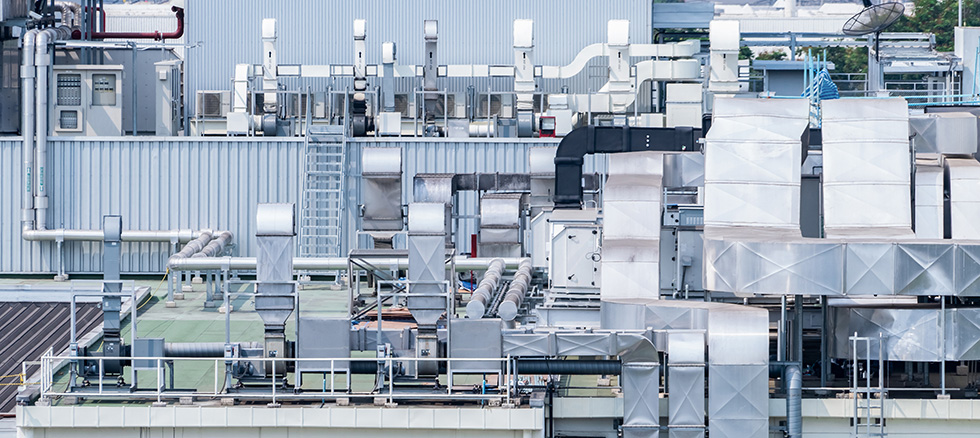
Airflow Measurement Basics
Today’s rising temperatures put added stress on HVAC systems. One key component to a balanced system and healthy building envelope is in airflow measurement. Airflow readings are used to measure supply, return, exhaust, or spill air, as well as outdoor air. These can...

Energy-Saving Laboratory Design
Laboratory design standards have changed significantly over the years. But personnel safety hasn’t changed and continues to be the top priority in a lab space. As technology continues to improve at a rapid pace, design engineers are presented with new innovations that...

Laboratory Pressurization Control
Laboratory pressurization control is standard practice for research, cGMP suites and production areas in the pharma and biotech industries. In concept, labs and production areas are pressurized in relation to the spaces adjacent to them by altering the balance between...

The Importance of Operating Room Humidity Control
Operating suites are one of the most critical areas of hospital operations. ASHRAE Standard 170 ventilation of healthcare facilities requires RH levels below 60%. Both the National Fire Protection Association (NFPA) and the Facility Guidelines Institute refer to...